
Canada’s resale housing market tightened further in July as a fourth consecutive monthly increase in sales collided with a third straight decline in new listings, finally pushing the national home price index marginally higher even as prices remained below last year’s levels.
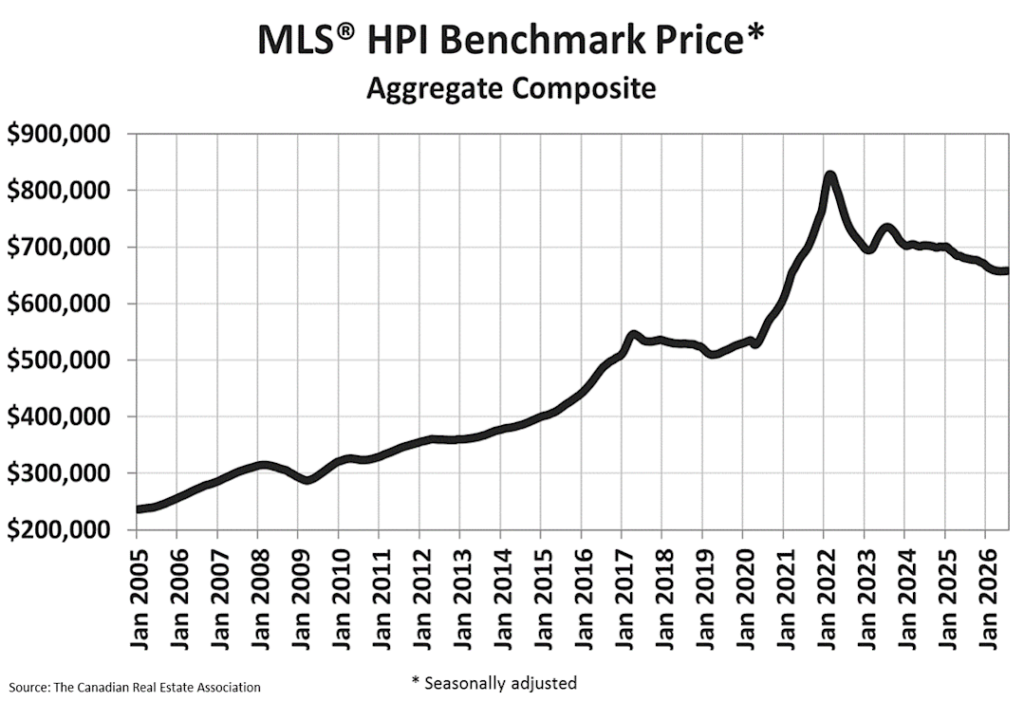
Home sales rose 0.5% from June on a seasonally adjusted basis, according to data released Tuesday by the Canadian Real Estate Association. New listings fell 1.6%, while CREA’s MLS Home Price Index edged up 0.1%. The index remained 3.3% lower year over year.
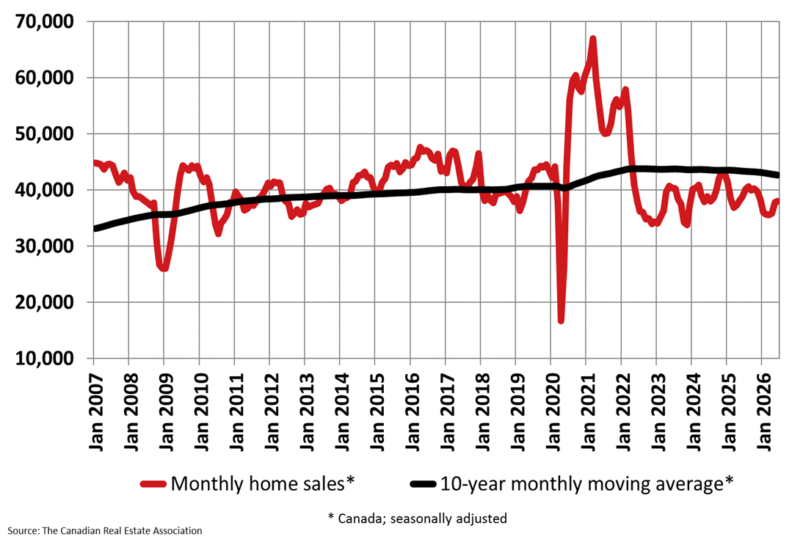
The combination is gradually removing some of the excess supply that had weighed on prices. Canada’s sales-to-new-listings ratio rose to 51.3% in July from 50.2% in June, moving closer to its 54.7% long-term average. CREA considers readings between roughly 45% and 65% consistent with balanced conditions.
 Sponsored · Cambria Gold Mines
Months of inventory fell to 4.7, the lowest reading of 2026 and below the long-term average of five months. There were 205,388 properties listed for sale at the end of July, only 0.6% more than a year earlier and 1.5% above the historical average for the month.
The market is still not back to annual growth. Actual July transactions were 5.3% below July 2025, while the HPI remained down 3.3% from a year earlier.
The national average sale price moved in the opposite direction, rising 0.2% year over year to $674,819. CREA cautions that average prices can be affected by changes in the types and locations of homes being sold, making the HPI a better gauge of underlying price trends.
Reuters described July’s HPI increase as the first since November 2024, although CREA’s archived releases previously recorded monthly increases in December 2024 and October 2025.
The July shift comes with the Bank of Canada holding its policy rate at 2.25% since October 2025. CREA currently forecasts 463,336 home sales in 2026, down 1.4% from last year, while the national average price is projected to rise 1.1% to $686,710.