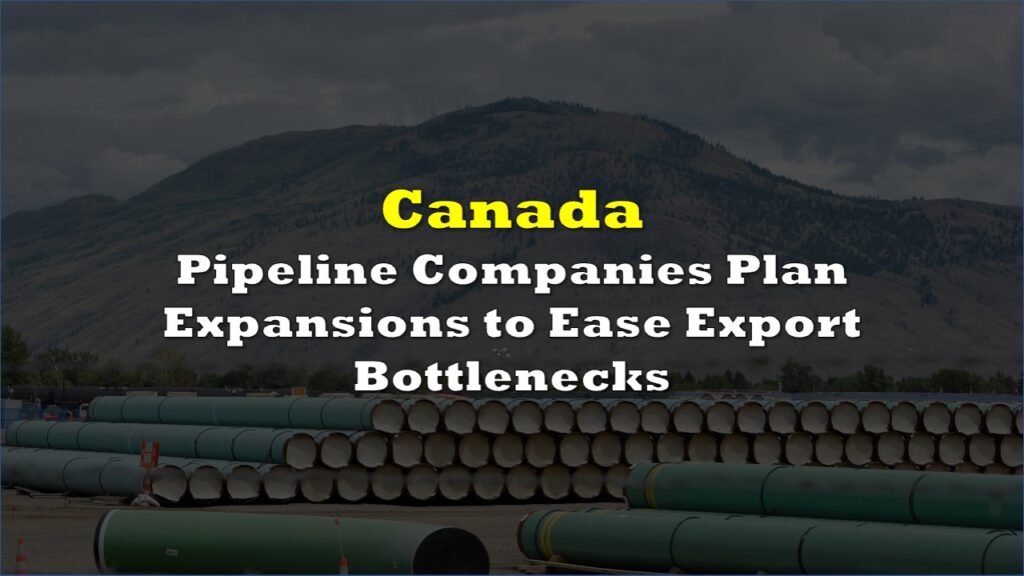

Canada has cut the expected number of major projects entering the federal Impact Assessment Act process by 20% to 30%, but the government’s own analysis suggests the biggest practical change is a reassignment of reviews rather than their elimination.
The regulations guidelines removes international and interprovincial pipelines, transmission lines, certain Canada Energy Regulator-regulated offshore and oil and gas facilities, in situ oil sands projects, and fossil fuel-fired power plants from the federal Project List. Ottawa estimates annual IAA intake will fall from about 10 projects to seven or eight.
For pipelines and other CERA-regulated projects, federal review does not disappear. Since 2019, larger pipelines and transmission projects could have triggered an integrated IAA-CER review, although the government says no integrated review panel has actually been conducted for these project types.
 Sponsored · Selkirk Copper Mines
Under the new rules, the CER becomes the sole federal regulator. Its statute requires consideration of environmental, health, social, economic, and Indigenous-rights effects, while the Governor in Council remains the final public-interest decision-maker for large pipelines and international transmission lines.
The government says removing CERA-regulated categories is cost-neutral for businesses and government because proponents still face CER review costs and federal expenses shift from a shared IAAC-CER process to the CER. Across the full amendment, Ottawa calculates annualized administrative savings of just $14,867 in 2012 dollars, with roughly three proponents a year saving a combined 846 hours of paperwork.
The larger change is the removal of fossil fuel-fired generating facilities and specified in situ oil sands projects from automatic IAA designation. Fossil power projects accounted for 20% of initial project descriptions received under the IAA, according to the regulatory analysis, but all were ultimately screened out before a comprehensive federal assessment. The government says those projects, along with in situ oil sands facilities, will remain subject to provincial reviews and applicable federal regulatory regimes.
Ottawa also projects that at least one pipeline, one electrical transmission line, and one offshore wind project that would previously have met federal designation thresholds could be proposed over the next decade. Those projects will instead proceed through CER-led review.
The shift follows the Supreme Court of Canada’s October 2023 ruling that most of the original federal impact-assessment scheme exceeded Parliament’s jurisdiction. Parliament amended the IAA in June 2024 to narrow its focus to adverse effects within federal jurisdiction. A May 2026 federal discussion paper then proposed moving CERA-regulated projects to a single-regulator model as part of the government’s two-year major-project decision target.
Consultation records show the trade-off remains contested. Industry supported concentrating pipeline reviews at the CER, while some members of the public and Indigenous groups warned that removing IAA review panels could reduce transparency, independent scrutiny, and participation. The government maintains that CER hearings, Indigenous consultation obligations, and other federal and provincial protections remain in place.