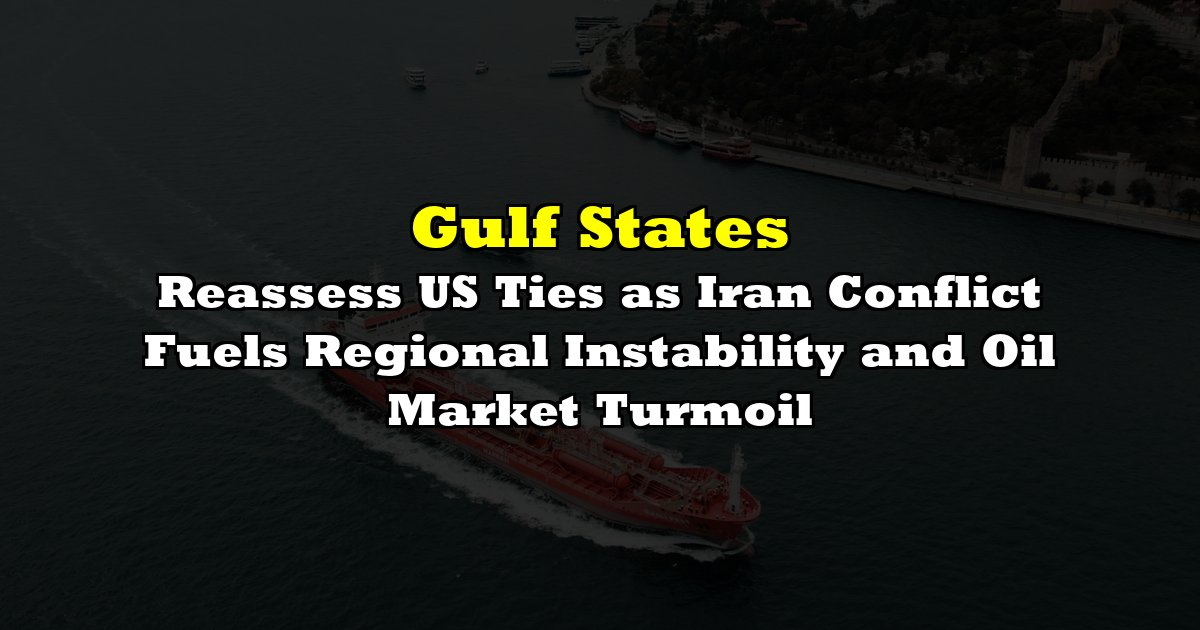

Gulf Arab states are reevaluating their long-standing alliances with the United States as an ongoing conflict with Iran deepens regional instability and disrupts global oil markets. Sources from the Gulf reveal growing frustration over the US role in escalating tensions, with fears that these nations will bear the economic and security brunt of a war already underway.
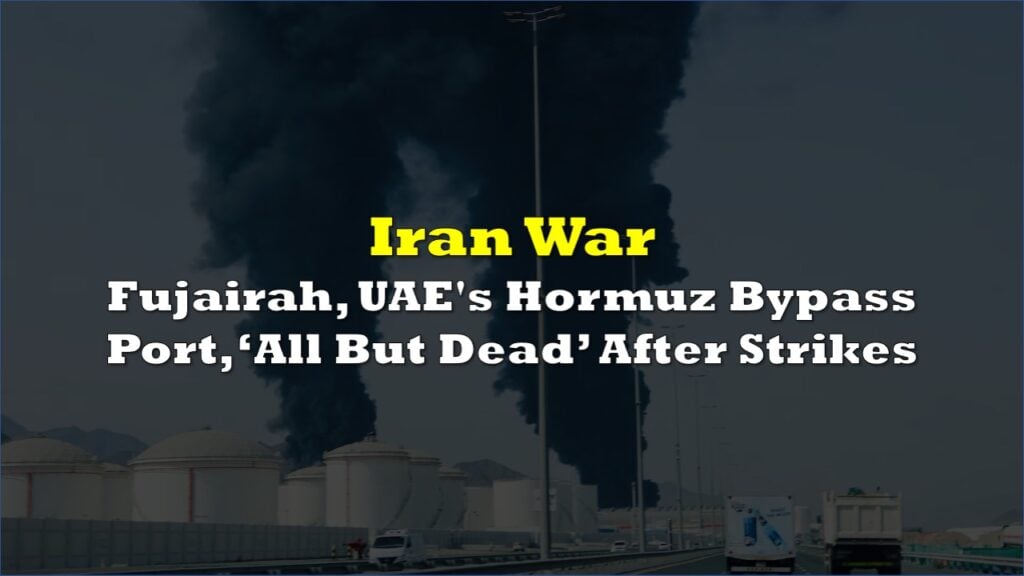
The Strait of Hormuz, a critical chokepoint for global oil shipments, is effectively shuttered amid the conflict, sending crude prices soaring to levels not seen in years. Gulf officials point to the US military posture against Iran as a key driver of the crisis, arguing that their economies—heavily reliant on energy exports—are being disproportionately harmed by the fallout.
A shift in diplomatic strategy is emerging as a result. Several Gulf states are exploring alternative partnerships with powers like China and Russia to hedge against what they see as unreliable US support. This pivot reflects a broader erosion of trust, with some officials privately warning that a prolonged conflict could fracture traditional alliances in the region.
 Sponsored · Selkirk Copper Mines
Energy markets are already grappling with the consequences. Brent crude has spiked above $100 per barrel, with analysts projecting further gains if the Strait remains impassable. The closure has choked off nearly 20% of the world’s daily oil supply, amplifying fears of a global economic slowdown.
Security concerns are compounding the economic pain. Gulf states, positioned on the frontline of the Iran conflict, face heightened risks of retaliatory strikes on critical infrastructure, including oil facilities and desalination plants. One senior Gulf source noted that the cost of protecting these assets has surged, diverting resources from domestic development.
The path forward remains fraught. With no immediate resolution to the conflict in sight, Gulf nations are bracing for prolonged disruption. A recent estimate pegs potential economic losses in the region at over $100 billion if the crisis persists through mid-2026, a figure that underscores the high stakes of this geopolitical unraveling.
Information for this story was found via the sources and companies mentioned. The author has no securities or affiliations related to the organizations discussed. Not a recommendation to buy or sell. Always do additional research and consult a professional before purchasing a security. The author holds no licenses.