
The Kapotnya refinery on the southern outskirts of Moscow will be out of operation for at least six months following repeated Ukrainian drone strikes, as reported by Reuters, deepening Russia’s worsening fuel supply crisis.
Operated by Gazprom Neft, the plant supplies more fuel to the Moscow region than any other facility. In 2024 it handled roughly 11.6 million metric tons of crude, turning out approximately 2.9 million tons of petrol alongside about 3.2 million tons of diesel. Thursday’s strike was the third time in a single month the facility has been hit, and came as part of the largest Ukrainian drone barrage on Moscow since the full-scale war began, with close to 200 drones directed at the capital.
The scale of the attack was visible across the city. Columns of thick black smoke rose high above the skyline, all four of Moscow’s main airports were forced to suspend operations, and over 500 flights faced cancellations or lengthy delays.
 Sponsored · Selkirk Copper Mines
Residents in the south-east of the Moscow region reported a fine oily drizzle that left black spots on their clothing and on the tarmac of nearby car parks. City authorities denied any “oil rain” while simultaneously warning residents in affected districts to keep their windows closed and urging families with children, the elderly, and asthmatics to leave the area.
Verified footage captured the roof of a large storage tank being blown dozens of metres into the air, and a nearby shopping centre caught fire after drone debris struck the building. Russia’s defence ministry said nearly 1,000 drones and four cruise missiles were intercepted across the country within a 24-hour period, though some clearly broke through. One person was killed in a strike on an oil depot in the Rostov region.
The Kapotnya damage adds pressure to a fuel market already under significant strain. Over the past year, Ukrainian long-range strikes have removed a substantial share of Russia’s refining capacity from service, contributing to product shortages, rising prices, and long queues at filling stations spread across the country.
On Tuesday, Deputy Prime Minister Alexander Novak said Russia is considering a diesel export ban. The Vedomosti newspaper also reported that fuel imports are being weighed as an option, particularly for Crimea, where gasoline sales to the public have already been suspended.
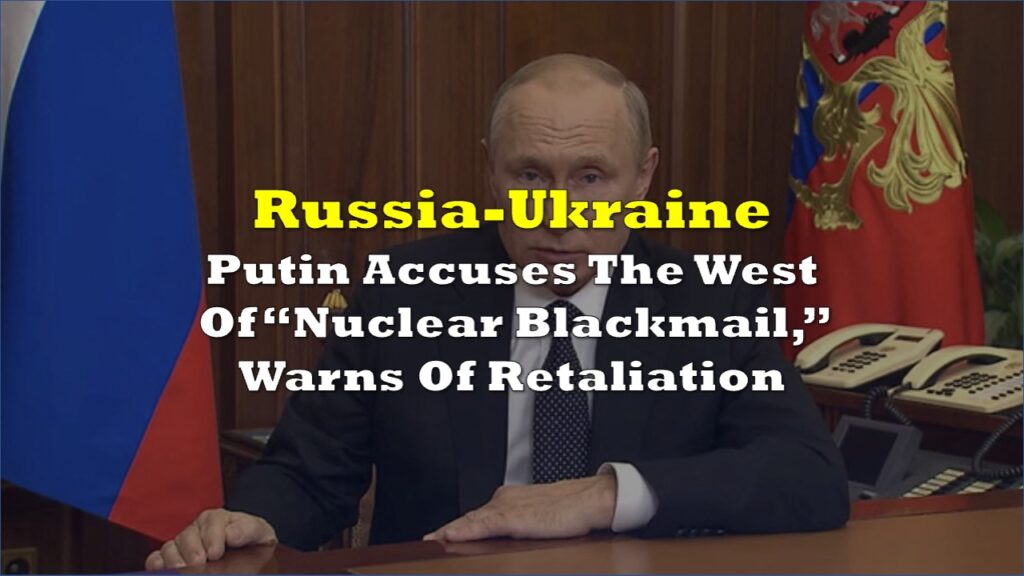
Ukraine framed the strike as a direct response to a Russian attack on Kyiv the previous week, which set fire to the Pechersk Lavra monastery. President Zelensky stated plainly that if Ukraine burns, Moscow would too. Russian Foreign Minister Sergei Lavrov responded by promising strikes on Ukraine “on a mass scale.” Vladimir Putin, who was hosting a summit in Kazan at the time, did not comment on the attack on his own capital.
Information for this story was found via the sources and companies mentioned. The author has no securities or affiliations related to the organizations discussed. Not a recommendation to buy or sell. Always do additional research and consult a professional before purchasing a security. The author holds no licenses.