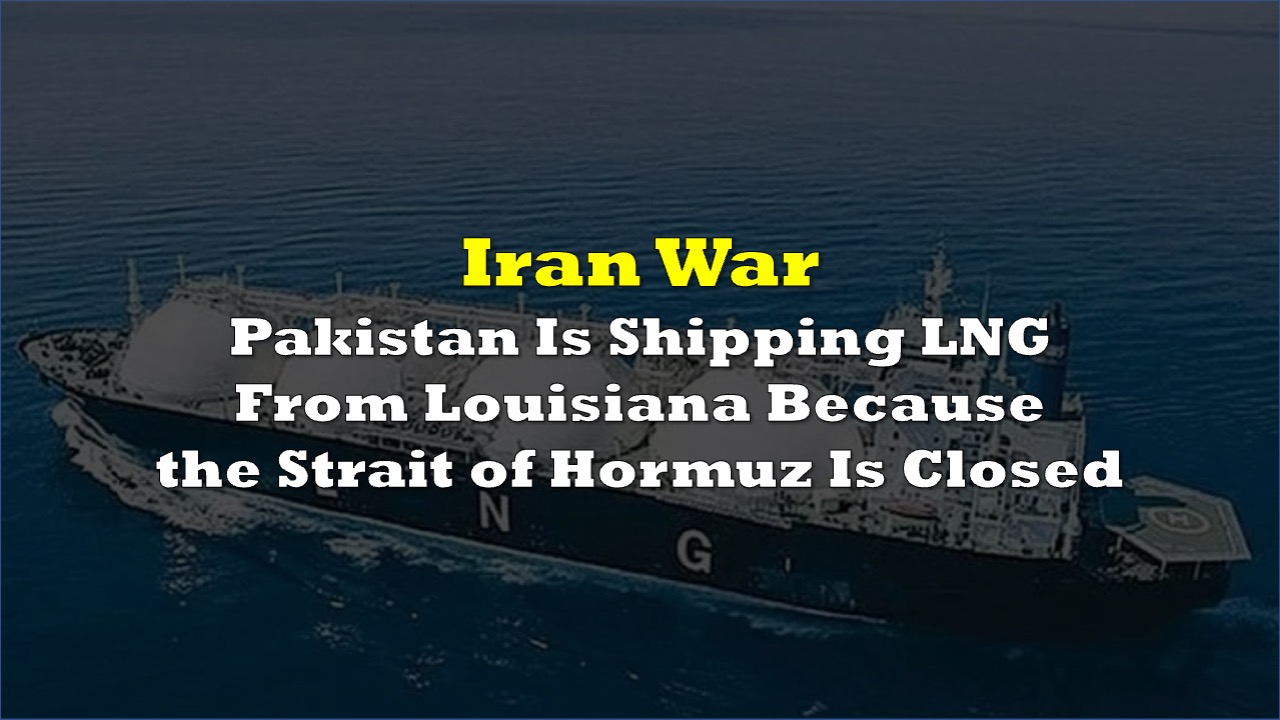

Pakistan has purchased its first spot LNG cargo in over two years from the United States, as two months without imports have knocked out most of the country’s gas-fired power generation and triggered daily load shedding ahead of peak summer demand.
Pakistan LNG Limited bought the cargo from TotalEnergies on April 25 at $18.4 per million British thermal units — more than double the roughly $7.68 per MMBtu Pakistan was paying before the war began. The vessel Seapeak Magellan, loaded at Sabine Pass in Louisiana, will berth at the PGPCL terminal at Port Qasim on April 30, carrying approximately 140,000 cubic metres, or 3 billion cubic feet, of LNG.
The route bypasses the Strait of Hormuz and the Suez Canal entirely, sailing around the Cape of Good Hope — approximately 15,000 nautical miles compared to the roughly 8,000-mile Suez route.
 Sponsored · Selkirk Copper Mines
Pakistan had already pulled back from spot markets before the war due to financial constraints. When Iranian drones struck Qatar’s Ras Laffan LNG complex on March 2, QatarEnergy declared force majeure and halted deliveries, cutting off Pakistan’s primary supply source.
Pakistan’s LNG-fired power plants carry an installed capacity of about 6,000 megawatts but are generating only around 500 megawatts due to gas shortages — a drop of roughly 92%. Pakistan faces an electricity shortfall of approximately 3,400 megawatts, with load shedding reaching six to seven hours daily in some areas.
The TotalEnergies cargo falls well short of what Pakistan needs. The country’s four RLNG-based power plants require at least 720 million cubic feet per day to generate about 4,800 megawatts at full load — the 3 billion cubic feet aboard the Seapeak Magellan covers less than five days of that.
Pakistan rejected two additional cargoes scheduled for May, betting the Strait will reopen and bring prices down — a bet that carries real risk given that Iran and the US remain deadlocked in negotiations, and a resumption of hostilities would extend the supply gap through peak summer.
American exporters are on track to load a record 32.15 million metric tons in January–April 2026, a 28% year-on-year increase that has partially offset the collapse in Qatari exports. Pakistan is now routing emergency supplies around the southern tip of Africa — a longer, more expensive path that reflects how thoroughly the war has disrupted the supply chains South and Southeast Asia depended on.
Pakistan is one of the few countries that has maintained functional diplomatic ties with both Washington and Tehran, and its army chief has been instrumental in brokering the Islamabad talks. The same country hosting US-Iran peace negotiations is now buying emergency fuel from America.
Information for this story was found via the sources and companies mentioned. The author has no securities or affiliations related to the organizations discussed. Not a recommendation to buy or sell. Always do additional research and consult a professional before purchasing a security. The author holds no licenses.