
Pakistan has brought back much of an emergency fuel-conservation regime it dismantled less than three months ago, as renewed disruption across Middle Eastern energy routes pushes Islamabad to cut government consumption while subsidizing fuel for millions of motorists.
Prime Minister Shehbaz Sharif approved the new austerity campaign, ordering a 50% reduction in fuel allocations for most official vehicles for three months.
The government also banned purchases of new official vehicles and most durable goods, suspended most foreign government travel, prohibited official dinners except for visiting foreign delegations, and ordered a 5% reduction in non-employee-related spending for fiscal 2026-27.
The package marks a rapid reversal. Pakistan withdrew most of its previous emergency conservation measures on June 20 after regional conditions improved, only 89 days before Thursday’s announcement.
 Sponsored · Altamira Gold Corp.
One widely circulated element, however, is not new. Markets, shopping malls, bazaars, and most stores were already required to close by 9pm after Pakistan preserved those restrictions during the June rollback. Wedding venues remain subject to a 10 pm deadline, while restaurants and cafés generally close by 11 pm Essential services and several other categories are exempt.
The renewed conservation drive comes as Pakistan faces another sharp energy-price shock. Petrol was priced at Rs390.79 per litre for September 18, while high-speed diesel climbed to Rs424.92 per litre. Diesel has risen from Rs372.03 per litre on September 3, an increase of about 14% in just over two weeks.
Regional supply conditions remain strained. Reuters reported that Pakistan’s LNG imports for September are projected to fall about 75% as Asian spot LNG prices approach $30 per million British thermal units.
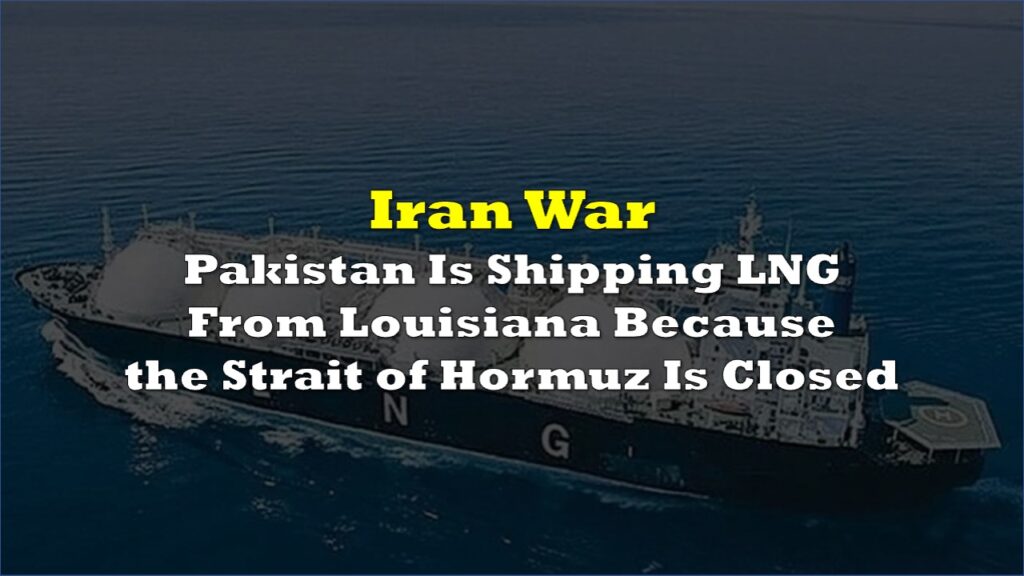
Shipping through the Strait of Hormuz also remains severely reduced amid the ongoing Iran conflict.
At the same time, Islamabad is spending Rs75 billion, roughly $271.0 million, on a three-month fuel-relief program offering eligible motorcycle, rickshaw, and small-car owners a Rs100-per-litre subsidy.
The result is a two-track response to the energy shock: cutting state demand while using federal funds to cushion selected household fuel costs.