
Prime Minister Mark Carney is responding to the latest US tariff threat by avoiding an immediate trade war and instead positioning Canada for a longer confrontation built around negotiation, economic preparation, and domestic coordination.
“These include tariffs on the Canadian auto sector, in violation of CUSMA. Canada, as is its right, has merely matched those measures,” Carney said in his statement.
The approach marks Carney’s first major test managing a direct economic challenge from Washington. After the Trump administration announced plans for 50% tariffs on a range of Canadian goods, Carney emphasized that Canada would defend its interests while continuing discussions with the US.
 Sponsored · Silver47 Exploration Inc.
The prime minister’s response did not include immediate retaliatory measures. Instead, it framed the dispute as a broader challenge to Canada’s economic sovereignty and argued that Ottawa’s priority is protecting businesses and workers while keeping diplomatic channels open.
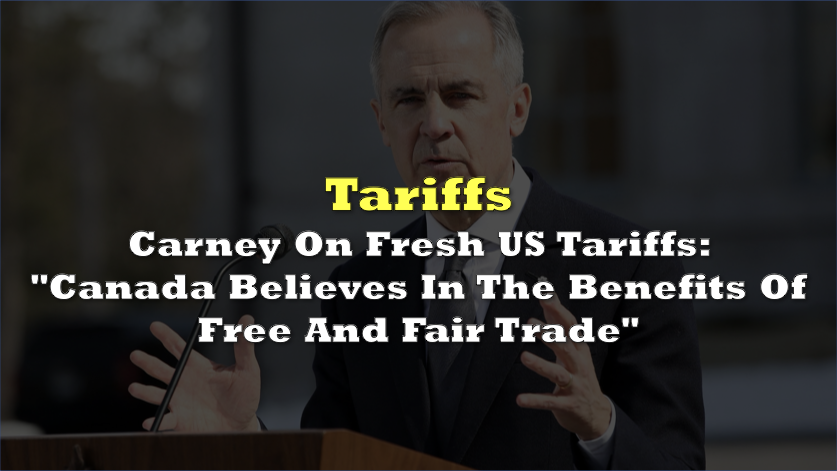
“Canada believes in the benefits of free and fair trade,” Carney said in his statement, adding that the government would continue working toward resolving outstanding issues with the US.
Carney’s response centers on three areas: challenging Washington’s justification, maintaining negotiations, and strengthening domestic economic support.
The prime minister argued that the new tariffs are part of a pattern of unilateral US trade actions that began with previous American measures against Canadian industries.
 Sponsored · Altamira Gold Corp.
He said Canada has already provided proposals aimed at resolving disagreements and updating the CUSMA, signaling that Ottawa still views negotiation as the preferred path.
At the same time, Carney emphasized that Canada is prepared to act if necessary.
“Canada will work relentlessly and take any measures necessary to build our strength at home and to support Canadian workers, farmers, businesses, and families,” he said.
The biggest strategic choice in Carney’s response is what he did not announce. Previous Canada-US trade disputes have often involved matching tariffs or rapid countermeasures. Carney’s government instead appears focused on preserving leverage by keeping negotiations open while preparing domestic defenses.
The US tariff package targets approximately $20 billion worth of Canadian imports but excludes major export categories including energy, potash, and critical minerals.
The prime minister also highlighted cooperation among provinces, territories, and businesses as part of Canada’s response, suggesting Ottawa wants a unified national position rather than isolated industry-by-industry reactions.
The outcome will likely shape how Carney approaches future economic disputes with Washington. If negotiations succeed, the strategy could reinforce Canada’s ability to manage US pressure without escalating trade barriers. If tariffs proceed, Carney will face pressure to demonstrate that restraint was paired with a credible plan to protect Canadian industries.