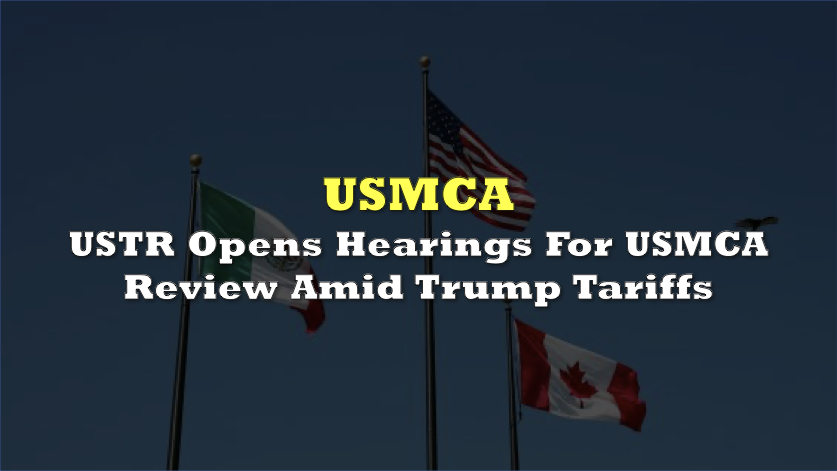

The Trump administration is expected to formally decline extending the U.S.-Mexico-Canada Agreement on Wednesday, activating a sunset clause that sets a hard expiry for North American free trade, as reported by Reuters.
Should the three countries fail to agree on revisions before the clock runs out, the pact terminates on July 1, 2036.
Under the sunset mechanism, Wednesday’s declaration opens a six-year review window, after which annual reviews run for the remaining four years. The move carries symbolic weight but does little to shift the actual trajectory of negotiations. U.S. Trade Representative Jamieson Greer has a third round of talks with Mexico penciled in for the week of July 20, and Washington’s priorities are coming into sharper focus.
 Sponsored · Selkirk Copper Mines
On autos, Greer’s team wants all North American-built vehicles to carry 50% U.S.-specific content, a threshold that would lift total required regional content to 82%. A Mexican official described talks between the two sides over a universal global auto tariff of 15%, with a preferential rate available to Mexico and Canada if they accept tighter rules of origin. Even so, Greer has indicated that vehicles assembled in either country would still face some level of tariffs.
The two countries appear to share a diagnosis of USMCA’s shortcomings. eroding U.S. manufacturing employment, a growing share of Asian components in North American vehicles, and anxiety over Chinese goods being rerouted through the region to claim USMCA preferences.
“Mexico and the U.S. are in agreement about the goals. What we are discussing is how to reach them,” a Mexican official said.
Canada remains on the sidelines of formal negotiations. Greer has nothing scheduled with Ottawa, though he keeps an open line to Canadian Trade Minister Dominic LeBlanc. Bilateral friction points, including Canada’s protected dairy sector and provincial moves to pull American liquor from store shelves, have strained the relationship.
Missing Wednesday’s extension deadline would not cause the pact to collapse overnight. Instead, USMCA would drift into an indefinite review cycle until the 2036 expiry date. That process runs on a separate track from the agreement’s termination clause, which any of the three leaders could invoke to withdraw their country within six months.
Trump has repeatedly signaled that tariffs already imposed on autos, steel, and aluminum from both neighboring countries are preferable to renewing any trade agreement.