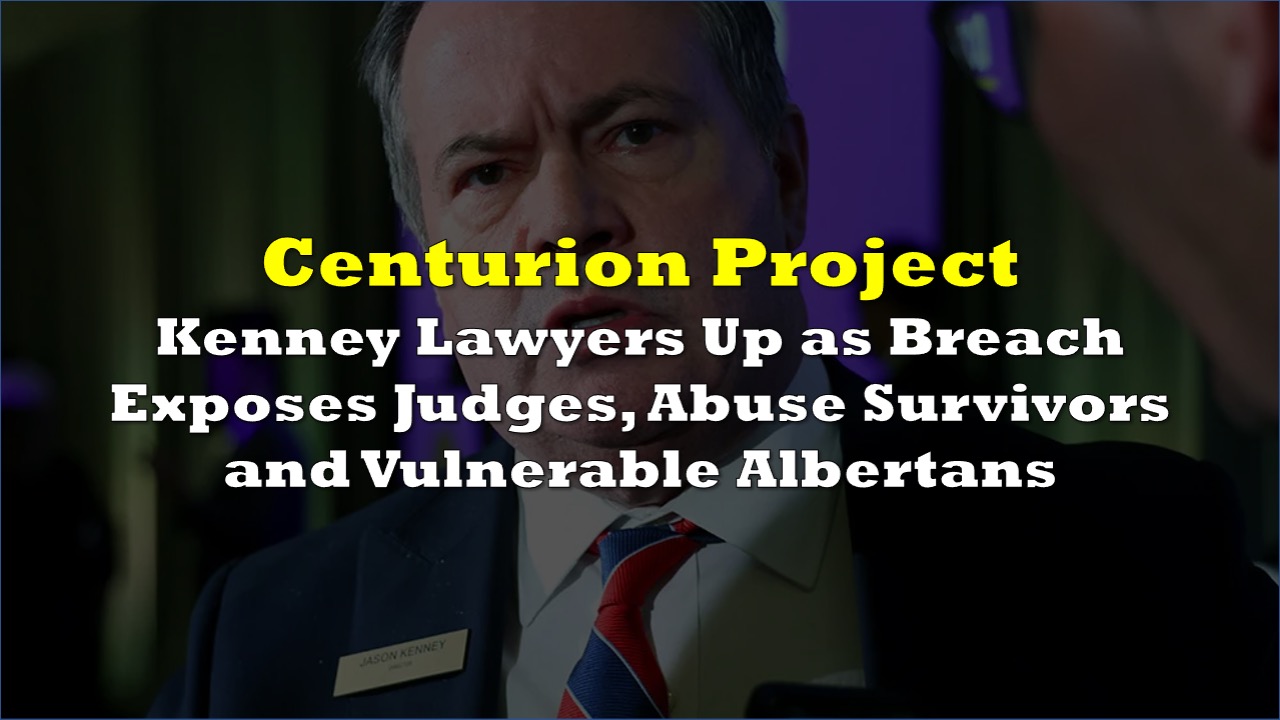

Former Alberta premier Jason Kenney is retaining legal counsel after the Centurion Project’s voter database displayed his home address to roughly 80 people — including, allegedly, senior UCP staff — at an April 16 online meeting.
His pursuit of legal recourse is the most prominent personal consequence yet of a breach that put the private addresses of nearly three million Albertans, including judges, Crown prosecutors, senators, and domestic violence survivors, into a publicly searchable app for weeks.
“I will retain legal counsel to seek advice on recourse regarding this outrageous and potentially dangerous violation of my personal privacy,” Kenney wrote on X. He has previously received threats from people associated with the separatist, anti-vaccine, and far-right movement in Alberta — making the circulation of his home address a direct personal safety concern.
The breach, Kenney wrote, may affect vulnerable Albertans “for years to come,” naming victims of domestic violence, journalists, activists, judges, and other public servants whose addresses are not publicly listed for their own protection. Edmonton city councillor Aaron Paquette told CBC News he is already helping a woman facing intimate partner violence relocate with her children, and is hearing from others whose safety has been affected.
 Sponsored · Selkirk Copper Mines
The database ran through the Centurion app from approximately March 3, 2026 until a Court of King’s Bench injunction forced it offline April 30 — nearly two months. It exposed names, home addresses, postal codes, phone numbers, unique elector identification numbers, electoral divisions, and polling station designations for 2.96 million Albertans.
Elections Alberta lawyer Joey Redman told the court the information was “incredibly confidential” and that “every elector in Alberta who has cast a ballot is included on that list, including people in very sensitive positions.”
The Canadian Press confirmed the database listed home addresses of politicians, senators, judges, Crown prosecutors, and top elections officials — details unavailable through any public directory.
Mount Royal University political scientist Duane Bratt called it unlike anything he had seen. “I’ve seen nothing like this before,” he told the National Observer, warning the data could be used for retribution against critics of the separatist movement or commercial exploitation.
David Parker, the Take Back Alberta organizer who co-founded the Centurion Project, is the same man who organized the campaign that drove Kenney from the UCP leadership in 2022. At the project’s public launch on April 29 — hours before investigators arrived with a cease-and-desist letter — Parker told the crowd: “If anyone objects to the release of the names and addresses, we’ll see you in court.” The injunction came the following morning.
The RCMP and Elections Alberta are both investigating. Alberta’s privacy commissioner warns her office may have no jurisdiction over the breach — political parties fall outside the province’s main personal information privacy law. That gap, which her office and predecessors have sought to close for years, left no regulatory body with clear authority to act in the weeks the database was live. Calls for a public inquiry are mounting.
Information for this story was found via the sources and companies mentioned. The author has no securities or affiliations related to the organizations discussed. Not a recommendation to buy or sell. Always do additional research and consult a professional before purchasing a security. The author holds no licenses.