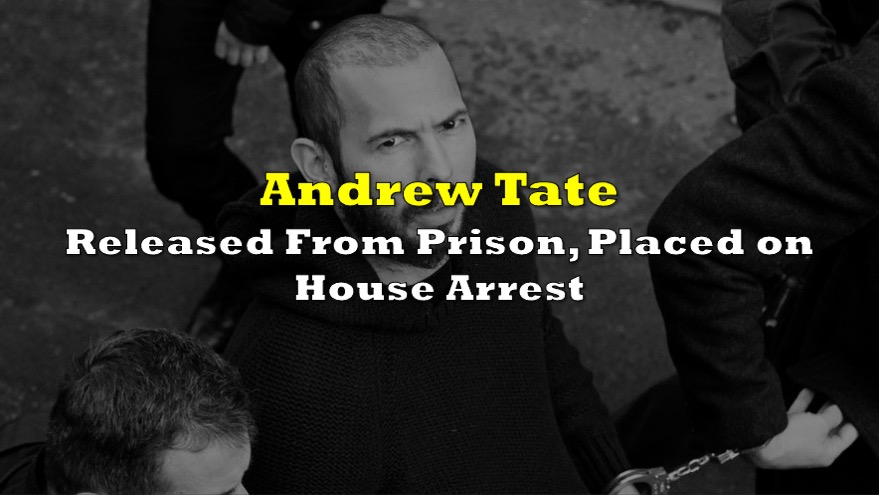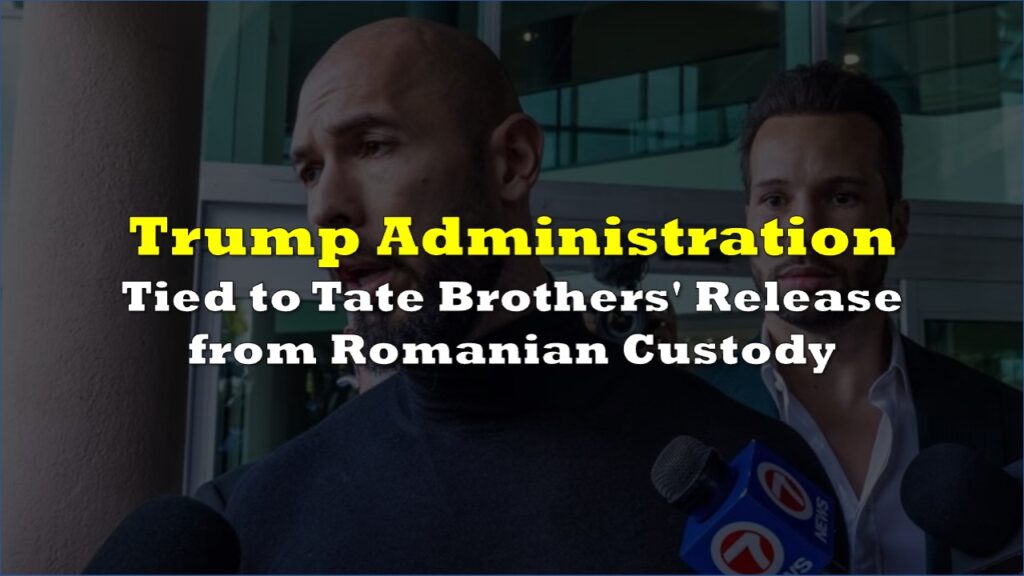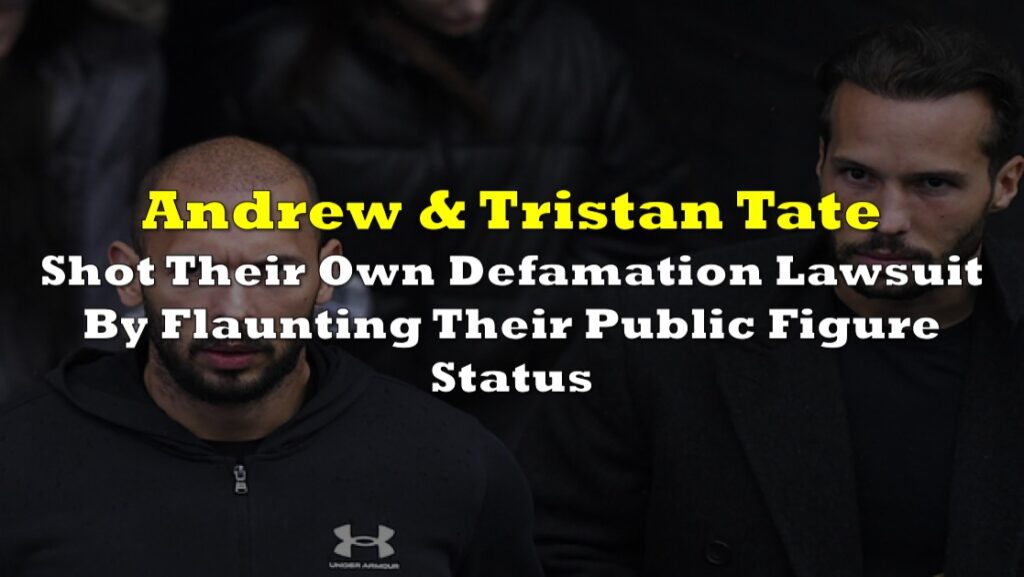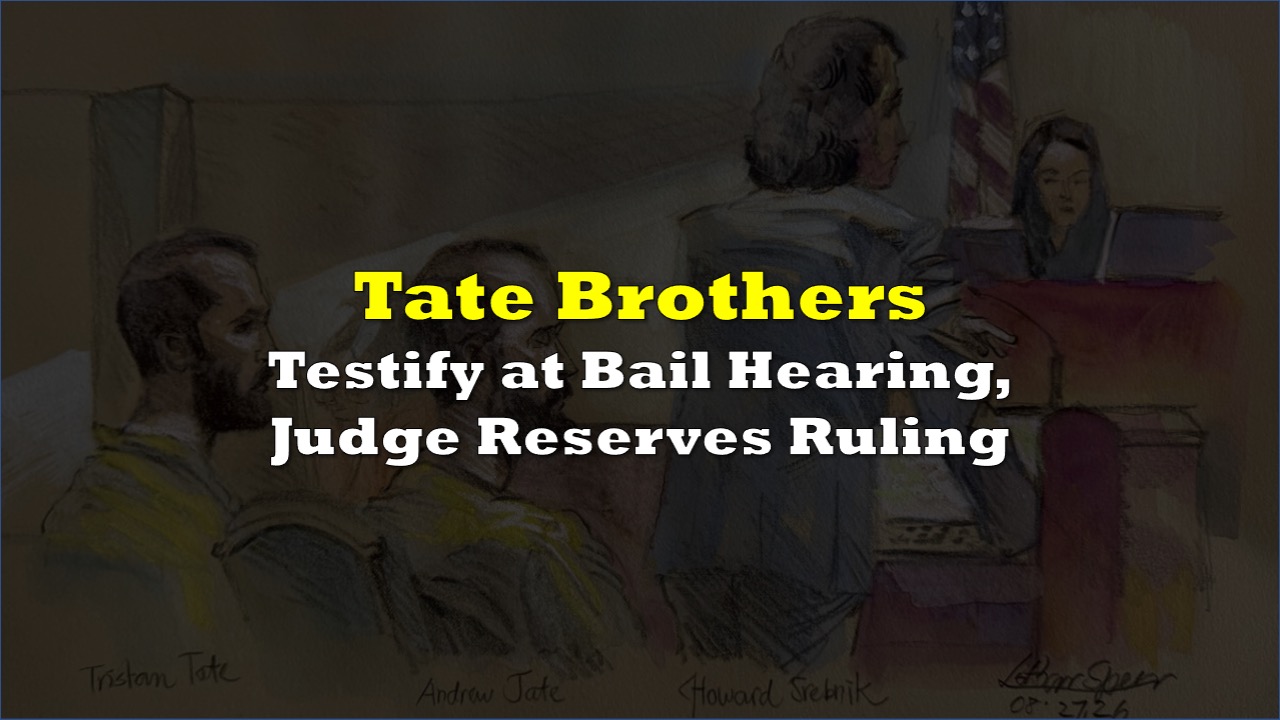

Andrew and Tristan Tate testified in their own defense at a marathon bail hearing Thursday, their first public appearance since their July arrest, but the judge presiding over their US extradition case didn’t rule.
Magistrate Judge Lauren Louis instead told the parties a written decision would come later, addressing whether the brothers can be released while they fight extradition to the UK on a combined 59 charges, including rape and human trafficking. The eight-hour hearing ran into the evening, and both Tates chose to take the stand, a decision one of their attorneys, Joseph McBride, called “highly unusual.” “Innocent men have nothing to hide,” McBride told reporters afterward. “Innocent men lean into it.”
Read: Defense’s New Filing Says Tate Brothers Are Only Pretending To Be ‘Uber Wealthy’
 Sponsored · Altamira Gold Corp.
Part of her hesitation traces to a separate case the brothers face in Romania, where they’re fighting human-trafficking charges and required to appear periodically as a condition of their release there. McBride said the judge wants to know what happens if the brothers can’t make those Romanian court dates while stuck in Miami. Tristan told the court his detention was already hurting that fight: “I can’t speak to my Romanian lawyer. I need to clear my name.”
The defense leaned on the argument from their August 21 filing, telling the judge the brothers are too recognizable to disappear, given they broadcast their movements to millions of followers daily. Their lawyers proposed surrendering passports, wearing GPS monitors, and posting bond.
Read: Prosecutors Cite Fake Passports as Tate Brothers Fight for Bail
Prosecutors also revived a boast Andrew Tate had made online, that he holds seven passports and 15 driver’s licenses so he could “pull out a license from some random country” if police stopped him, and argued it proved he was a flight risk. His lawyers dismissed the comment as an exaggeration, saying it reflected the persona the brothers perform for their online audience rather than reality.
International extradition rarely ends in bail. Courts start with a presumption against releasing the detainee, and defendants must show both “special circumstances” and that they pose no flight risk or danger to the public before a judge will even consider it. Prosecutors argued the brothers’ claimed wealth and access to multiple identities made that bar impossible to clear.
The case’s next major deadline falls September 16, when the UK must file its formal extradition request. After that, a separate hearing will determine whether the evidence meets the legal threshold for extradition to proceed.