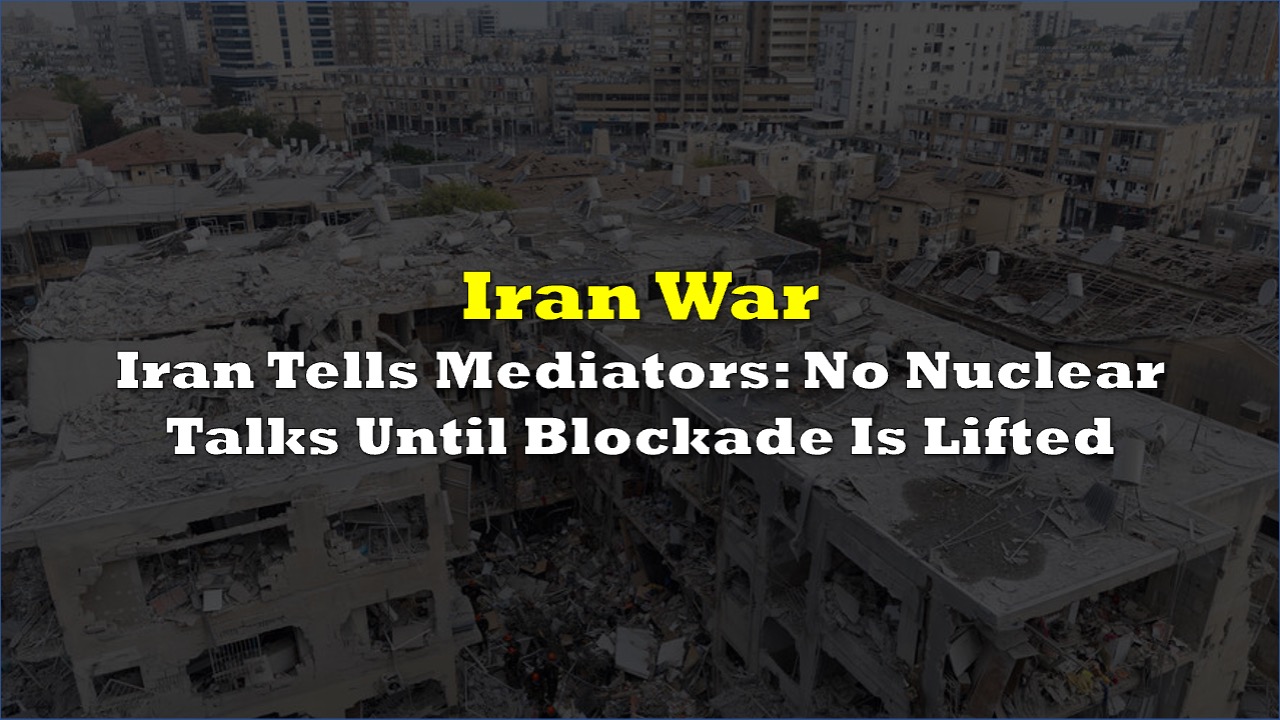

Iran has formally proposed removing its nuclear program from ceasefire negotiations, telling Pakistani mediators that enrichment can only be addressed after the war ends and Washington lifts its blockade. Tehran’s semi-official Tasnim news agency confirmed on April 27 that the current agenda covers only the Strait of Hormuz, sanctions relief, war reparations, and the blockade — with nuclear issues, Tasnim said, to be “addressed later in a separate agreement.”
The move locks in a catch-22: Washington says the war will not end without a nuclear deal; Tehran says nuclear cannot be discussed until the war ends.
On April 11, Vice President JD Vance led the US delegation through 21 hours of negotiations in Islamabad — the highest-level engagement between the two sides since the 1979 Islamic Revolution — before leaving without a deal. Trump posted that “the only point that really mattered, NUCLEAR, was not” resolved, describing Iran as “unyielding.” Foreign Minister Abbas Araghchi said the two sides came within inches of an agreement but “encountered maximalism, shifting goalposts, and blockade.”
 Sponsored · Selkirk Copper Mines
Related: No Deadline, No Vance, No Iranian Delegation: Where the US-Iran Talks Stand Today
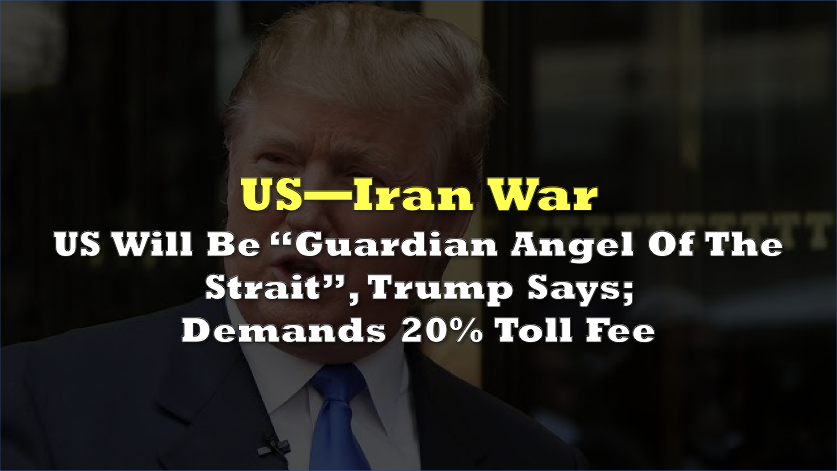
Trump announced a naval blockade of Iranian ports on April 12 after talks collapsed. Iran’s new proposal would sequence the issues — reopen the strait, end the fighting, then address enrichment. The White House has received it but has not indicated whether it will engage. Trump told Fox News Sunday he intends to keep the blockade running, and three US officials told Axios he plans to convene a Situation Room meeting Monday on the stalemate.
Copernicus Sentinel-2 satellite imagery from April 26 shows tankers still loading crude at Kharg Island — responsible for roughly 90% of Iran’s crude shipments — pushing back on claims that Tehran is days away from exhausting its onshore storage. Analysts at Tanker Trackers put spare onshore capacity at roughly 13 million barrels, with net inflows running at 1.0 to 1.1 million barrels per day — less than two weeks of buffer if exports halt entirely.
Iran has already reactivated the aging supertanker M/T Nasha as floating storage, a sign the terminal’s onshore limit is closing in. The active loading at Kharg gives Tehran room to hold its sequencing position for now; the narrowing storage window is precisely the leverage Trump is counting on.
Related: Gulf Oil Output Down 57% Amid Iran Conflict, Goldman Sees Months-Long Recovery
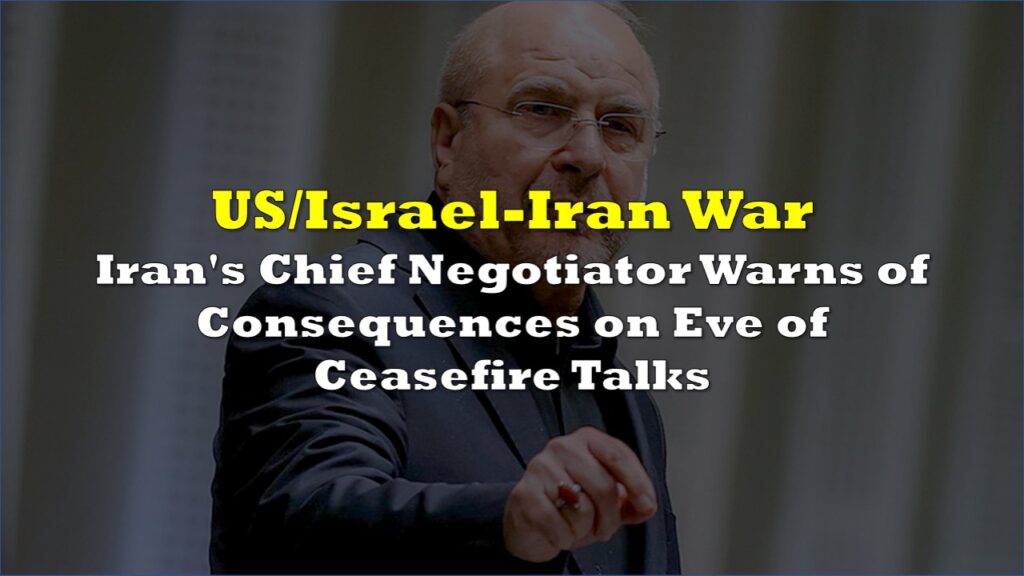
Iran’s parliament speaker Mohammad-Baqer Qalibaf, who led Tehran’s Islamabad delegation, said the US side “ultimately failed to gain the trust of the Iranian delegation.” After the US and Israel bombed Iran twice during negotiations over the past year, Iranian leaders face a public demanding guarantees that the war will not restart the moment concessions are made.
The International Atomic Energy Agency has reported Iran enriched uranium to 60%, far above civilian-use levels. Tehran maintains the program is peaceful and falls within its rights under the 1970 Treaty on the Non-Proliferation of Nuclear Weapons.
Trump reportedly cancelled a planned Islamabad visit by envoys Steve Witkoff and Jared Kushner on April 25, writing on Truth Social: “If they want to talk, all they have to do is call!!!” Pakistan, the sole mediator trusted by both sides, says it will keep pushing for a resumption.
Information for this story was found via the sources and companies mentioned. The author has no securities or affiliations related to the organizations discussed. Not a recommendation to buy or sell. Always do additional research and consult a professional before purchasing a security. The author holds no licenses.