
A federal judge overseeing a journalist’s lawsuit against the Justice Department has stopped taking the government’s word for it, ordering officials to hand over unredacted Epstein-related documents directly to the court and prove their redactions are legitimate.
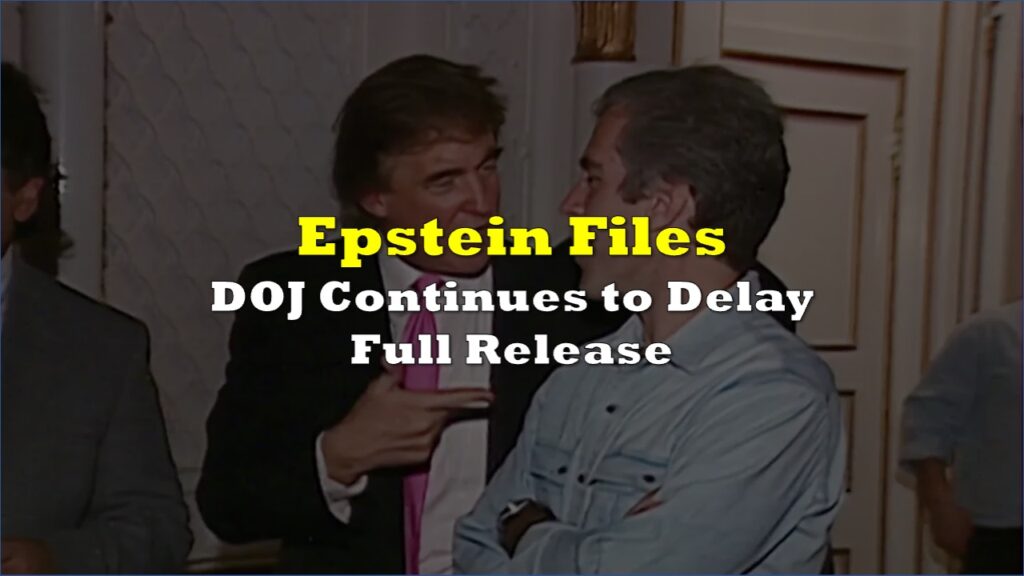
Congress passed the Epstein Files Transparency Act by a 427-1 House vote and unanimous consent in the Senate in November, forcing the Justice Department to publicly release its unclassified Epstein-related records within 30 days. Trump signed the bill after initially resisting it, and the law bars withholding documents over “embarrassment, reputational harm, or political sensitivity,” permitting redactions only for victims’ identities, classified material, and active investigations. DOJ missed that deadline; an initial, heavily redacted batch came out in December, with millions more documents following in January.
This drove journalist and legal commentator Katie Phang to sue Acting Attorney General Todd Blanche in April, arguing the delays and redactions were an unlawfully withheld agency action under the Administrative Procedure Act that actively harmed her ability to report.
 Sponsored · Selkirk Copper Mines
Read: DOJ Sued Over Epstein Cover-Up as Millions of Files Remain Unreleased
US District Judge Emmet Sullivan agreed, granting Phang a preliminary injunction and finding DOJ had effectively conceded her arguments by failing to substantively respond to them.
Sullivan followed with a show-cause order giving DOJ until July 2 to release more unredacted material or explain why it couldn’t. DOJ chose neither option cleanly, instead defending each disputed redaction on the merits, requesting two more months to sort through the material, and telling the court it intended to appeal.
Associate Attorney General Stanley Woodward said DOJ had reviewed more than six million documents and had “not knowingly violated, nor has it ever acknowledged violating,” the transparency law. A department spokesperson went further, calling Sullivan’s reasoning “perverse” and arguing the judge was pushing DOJ to unmask victims who, in the department’s telling, had themselves become co-conspirators.
 Sponsored · Cambria Gold Mines
Sullivan wasn’t persuaded, rejecting DOJ’s claim that it hadn’t conceded anything. He’d already written that complying with the disclosure law “does not harm the Attorney General.”
Related: Lawmakers Target DOJ Noncompliance With Second Epstein Transparency Bil
Saturday’s order picks up from there. Sullivan directed Blanche to turn over full, unredacted copies of eight specific email chains, each tied to its own Bates number, and to back up with actual evidence DOJ’s claim that the names blacked out in them belong to protected victims or law enforcement personnel. He gave Blanche until 3 p.m. Thursday, with the review happening privately in his chambers alone.
However, Phang doesn’t get to watch. Sullivan denied her request to attend. On Threads, she wrote that Blanche now has to “bring documentation supporting his representations the DOJ’s redactions are what he claims they are,” adding that the order shows a federal judge won’t simply take the acting attorney general’s account on faith.
The documents in dispute go well beyond routine paperwork — FBI interview notes describing a woman’s allegation that Trump sexually assaulted her at 13 after Epstein introduced them, a draft indictment with potential co-conspirators’ names obscured, emails referencing a “torture video,” and foreign-language records DOJ has yet to translate.
Related: ‘I Love You, Sir’: The Problems Facing Todd Blanche’s Attorney General Nomination
Blanche has personally been the face of DOJ’s handling of the files since January, when he rather than Attorney General Pam Bondi announced the bulk release, and he’s since acknowledged in congressional testimony that the department erred by publishing some victims’ identities in earlier releases.
With DOJ already committed to appealing, Thursday’s deadline won’t resolve the underlying fight, but it will give Sullivan his first direct look at whether the redactions Phang has been contesting for months actually hold up.