

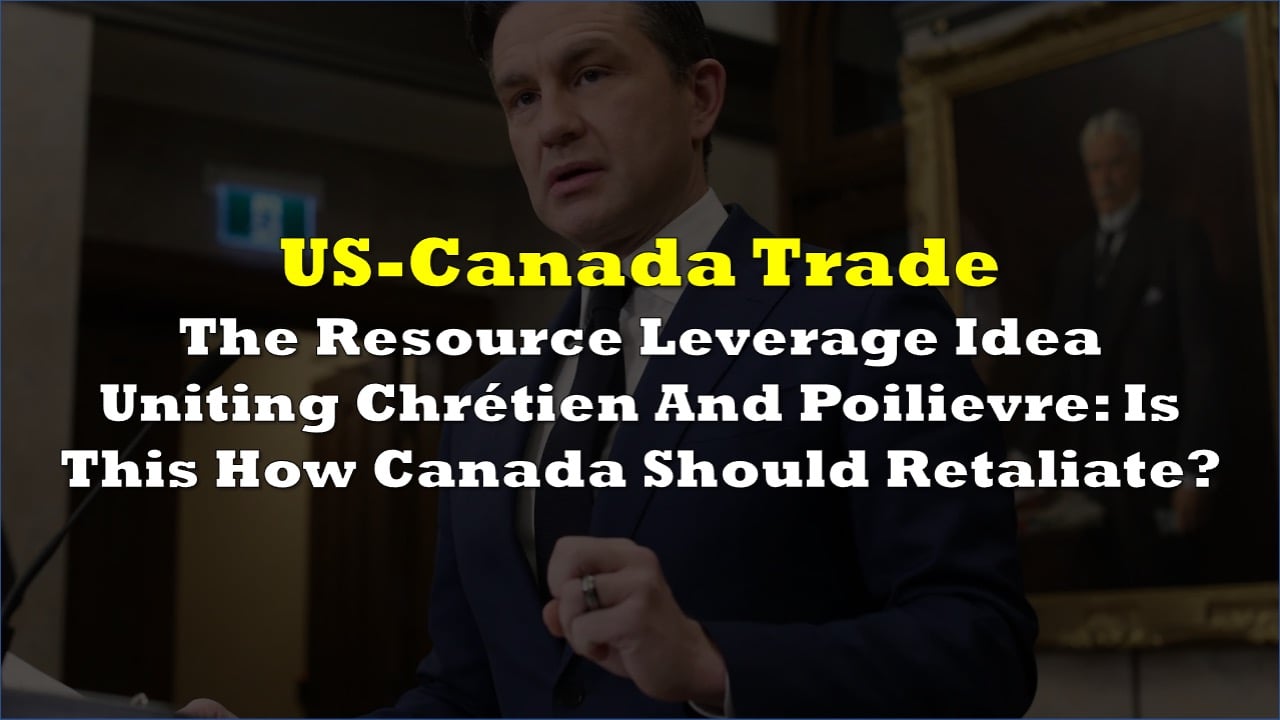

Former prime minister Jean Chrétien and Conservative Leader Pierre Poilievre are separately pushing Canada to turn its energy and mineral wealth into leverage against Washington, even as the two men disagree on nearly everything else about the trade war.
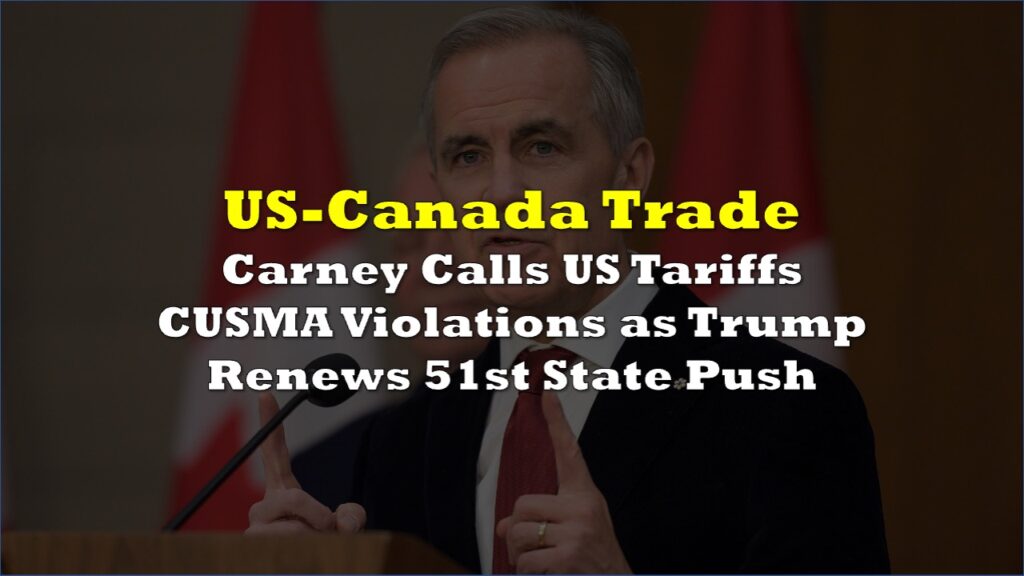
US negotiators had sought a right of first refusal on Canadian critical minerals used in the defense and technology sectors, a demand Prime Minister Mark Carney turned down, saying Ottawa would not hand Washington sole access to that supply.
Read: What Washington Really Demanded Before Canada Walked Away
 Sponsored · Selkirk Copper Mines
With the deal now collapsed and new tariffs in place, Chrétien and Poilievre are each arguing Canada should use those same resources on its own terms instead.
Chrétien previewed a return to that argument in a clip from an interview with Télé-Québec’s Une époque formidable, set to air September 9. “We need to hit where it hurts,” he told host Stéphan Bureau.
It is a position Chrétien has held since at least March 2025, when he told a Liberal Party crowd that Canada should hit the US “where it hurts” with a levy on Canadian exports of potash, oil, gas, aluminum and electricity, with the proceeds going toward domestic infrastructure such as a natural gas pipeline from Alberta to Quebec.
During a swing through southwestern Ontario that included a stop in Woodstock, Poilievre repeated a pitch he has made at several stops this month, that Canada should build a strategic reserve of oil and critical minerals available only to countries willing to offer Canada tariff-free trade.
“What I’m proposing is to build a massive strategic reserve of minerals and oil,” Poilievre said, calling it leverage to force better terms from Washington. He argued Washington depends on resources Canada controls and accused Carney’s government of making concessions without securing wins in return.
The two proposals would play out differently. An export tax would take effect immediately and cut into current supply, which is what makes it both more potent and more diplomatically risky. The Canadian Centre for Policy Alternatives has estimated a 25% export tax on oil and gas alone could raise more than $40 billion a year at current prices, and Canada has real leverage to work with, since the US has built more than 100 refineries specifically to process the Canadian heavy crude that has no ready substitute outside Venezuela.
Poilievre’s stockpile is a slower, incentive-based tool that would not restrict what the US gets today. It would take years and real investment to build, and looks less at the current standoff than at shaping who gets access to Canadian resources down the road.
Asked in July about using energy exports as leverage, Carney said he did not see the value in it, telling reporters in Red Deer, Alberta that “being a reliable supplier is important” and that Canada’s trustworthiness as a producer was worth protecting.
He has pledged to match the new US tariffs dollar for dollar in sectors including steel, dairy, appliances, agricultural equipment, pulp and paper, and electronics, and chaired a virtual meeting with provincial and territorial premiers Saturday to work through next steps.




One Response
I think a 1% export tariff on natural resources to the US would do it. It would make it clear that there is nothing stopping Canada to ramp the percentage, depending on US response. Oh, and we could add that any retaliation would result in an increase.